


Sweet Chestnuts
in category: Sweet Chestnuts
Chosen Filters
Price
Vendor
List of products


Sweet Chestnuts (Edible) – Traditional European Flavor from Hungary
Sweet chestnuts (edible) have been an important part of the human diet for thousands of years. According to an ancient Roman saying, the best living conditions for people are found where sweet chestnut trees thrive. This belief reflects the unique nutritional value, culinary versatility, and naturally mild, slightly sweet flavor of edible sweet chestnuts.
The sweet chestnut is native to Europe and grows best in temperate climates. Among the nine known chestnut species, only one — Castanea sativa — produces fruit that is fully edible. Sweet chestnuts are cultivated in France, Spain, Greece, and Portugal, but Hungary also has a long and respected tradition of sweet chestnut cultivation, supported by ideal growing conditions and centuries of agricultural knowledge.
The Sweet Chestnut Tree – Long-Living and Unique
The sweet chestnut tree is one of the longest-living fruit trees in Europe. Many trees live for several hundred years, with some reaching 600–700 years of age. Mature trees can grow up to 20–30 meters tall and are recognized by their thick, twisted trunks and wide, umbrella-shaped crowns.
Although edible sweet chestnuts may resemble horse chestnuts commonly found in parks, the two are not related. Sweet chestnuts mature between September and November and develop inside a spiny but non-toxic husk. This is when they are harvested and enjoyed as a highly valued seasonal product.
Hungarian Origin and Culinary Tradition
Hungary has a rich history of sweet chestnut cultivation dating back to the 15th century. Historical sources indicate that edible sweet chestnuts were once served at royal courts and later became a staple in rural cuisine. For generations, sweet chestnuts were dried, stored, and used as an essential food source, particularly in regions unsuitable for grain farming.
Today, Hungarian sweet chestnuts (edible) are appreciated for their consistent quality, natural origin, and traditional cultivation methods, which directly influence their taste and culinary performance.
Culinary Uses of Edible Sweet Chestnuts
Edible sweet chestnuts are exceptionally versatile in the kitchen and have been used for centuries in both everyday and festive cooking:
-
roasted sweet chestnuts as a classic fall and winter snack
-
sweet chestnut purée, soups, and creamy sauces
-
additions to meat dishes, stuffings, and pâtés
-
desserts, cakes, and chestnut-based creams
-
sweet chestnut flour for baking
In many European regions, edible sweet chestnuts were also used as an alternative to potatoes, while dried chestnuts were ground into flour for nourishing, simple meals.
Nutritional Value of Sweet Chestnuts (Edible)
Compared to other nuts, edible sweet chestnuts stand out due to their nutritional profile:
-
low fat content
-
high carbohydrate content
-
easy digestibility
-
naturally gluten-free
They are filling yet significantly lighter than almonds, walnuts, or peanuts, making them well suited for balanced seasonal diets.
Where to Buy Edible Sweet Chestnuts?
If you are looking for authentic edible sweet chestnuts from Hungary, they are available at ostrystefek.pl, as well as at hungaricum.pl and through sales offered by Hungaricum Sp. z o.o.. These sources guarantee original Hungarian sweet chestnuts suitable for both home cooking and professional gastronomy.
FAQ – Sweet Chestnuts (Edible)
Are sweet chestnuts edible?
Yes. Sweet chestnuts (Castanea sativa) are fully edible and widely used in European cuisine. They should not be confused with horse chestnuts, which are not edible.
What do edible sweet chestnuts taste like?
They have a mildly sweet, slightly starchy flavor. When roasted, edible sweet chestnuts become soft and aromatic, making them suitable for both sweet and savory dishes.
How are edible sweet chestnuts prepared?
Most commonly, they are roasted after scoring the shell. They can also be boiled, mashed into purée, added to soups and stuffings, used in desserts, or ground into sweet chestnut flour.
Are edible sweet chestnuts healthy?
Yes. They are low in fat, gluten-free, easy to digest, and provide a good source of energy, especially during fall and winter.
How should edible sweet chestnuts be stored?
Fresh sweet chestnuts should be kept in a cool, dry, and well-ventilated place. Processed sweet chestnut products should be stored according to the manufacturer’s instructions.

Najlepsze okazje
Twoje wymarzone produkty teraz jeszcze taniej!
-
Bestseller
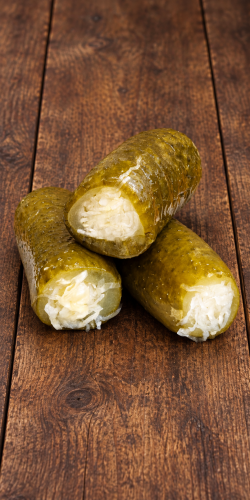
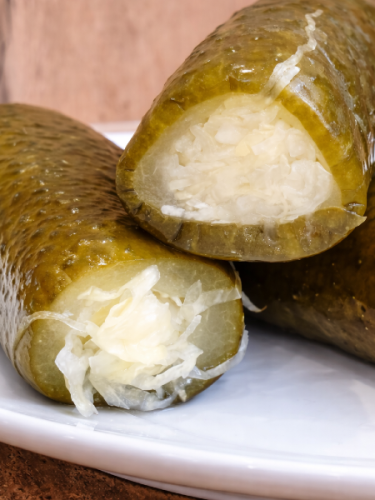
Hungarian Pickled Cucumbers Stuffed with Sauerkraut 800g – Unpasteurized Vegetable Specialty
Price 18,90 zł -
Price 9,99 zł
-
Price 12,90 zł
-
Price 9,90 zł


![2072[1].jpg](/environment/cache/images/productGfx_192_500_500/20721.webp "2072[1].jpg")
