


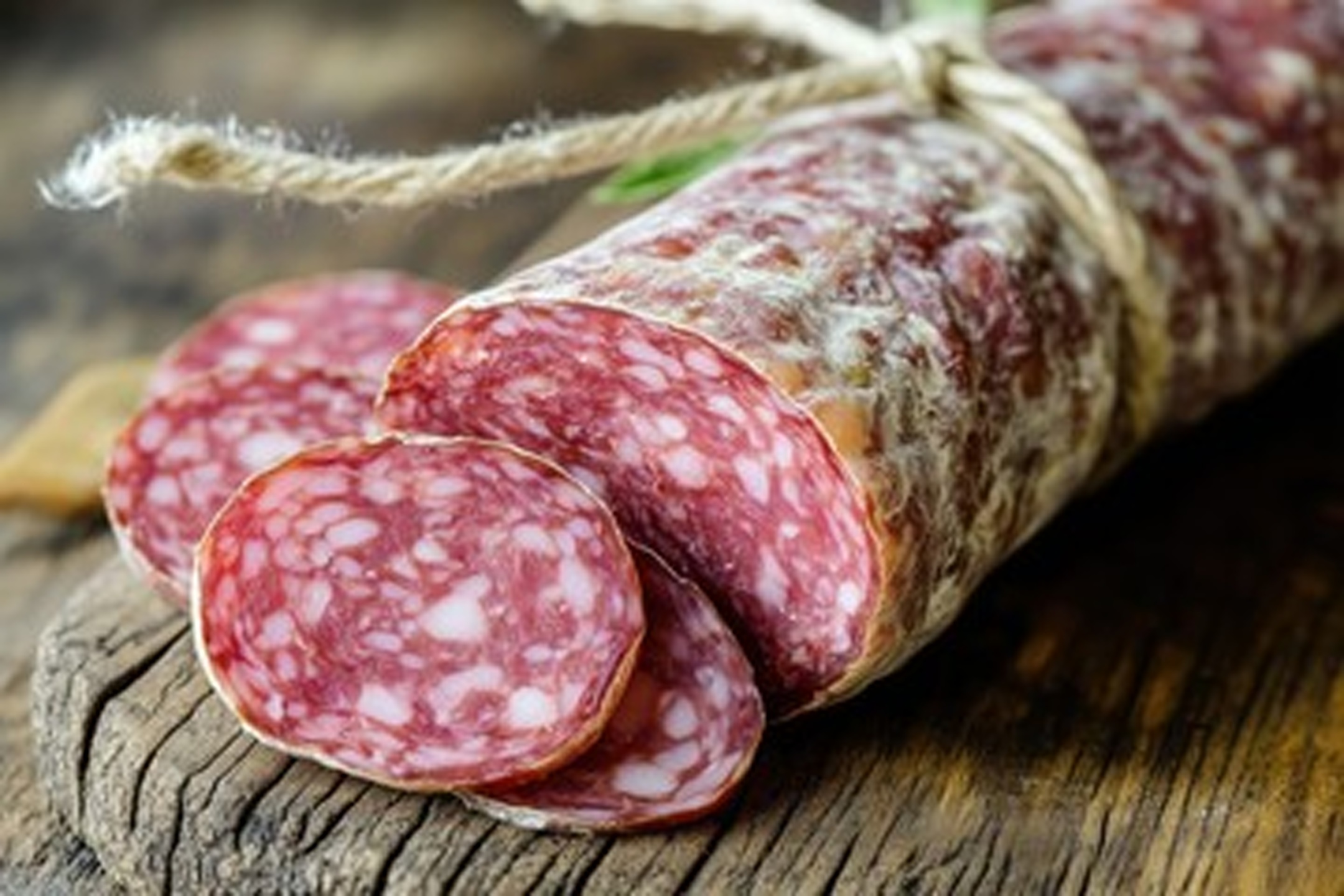
Donkey Salami – Rare, Rustic, Remarkable
Donkey salami is one of the most intriguing and rare delicacies in the world of cured meats. Though it may sound exotic to some, this unique product has deep historical roots in several parts of Europe – particularly in Hungary, where it’s cherished as a premium expression of centuries-old culinary craftsmanship.
To truly appreciate donkey salami, one must embark on an imaginary journey through the warm, rolling plains of Hungary, where donkeys once played a vital role in rural life. Strong, enduring, and quietly intelligent, these animals were not only companions and laborers, but also – in times of scarcity and tradition – a valuable source of meat. In this serene and rustic landscape, the tradition of crafting donkey salami was born: slowly, respectfully, and with an attention to flavor and quality that reflects the soul of the countryside.
The broader tradition of Hungarian salami dates back to the 19th century, when local artisans combined Italian curing methods with regional spices and climate advantages. Over time, Hungarian salami became renowned across Europe, praised for its bold flavor, natural aging processes, and artisan methods. The famous salamis of Szeged and Budapest still carry this legacy, their flavors shaped by cellar air, beechwood smoke, and generations of experience.
Donkey meat itself has long been appreciated across the Mediterranean – from the Roman Empire to modern Italy – for its nutritional value and distinctive character. It’s dark red, lean, protein-rich, and slightly sweet with a gamey edge. In salami production, it’s often blended with pork to achieve the right balance of fat and texture. After a slow maturation and smoking period, the resulting salami is dense, aromatic, and surprisingly refined, with earthy undertones and a deep, savory finish.
What sets donkey salami apart isn’t just the taste, but also its practicality. Thanks to its natural curing process, it does not require refrigeration, making it ideal for travel or long-term storage. This characteristic was essential in past centuries and still appeals to modern consumers who appreciate convenience without sacrificing quality. Its shelf-stability, combined with its rich flavor, elevates it to the status of a premium, gourmet product.
Eating donkey salami is more than just a culinary act – it’s a sensory experience and a cultural rediscovery. Each slice tells a story of patient craftsmanship, traditional farming, and the flavors of a land where food is made not in haste, but with respect for time and nature.
In a time when the world is rediscovering ancient foods and forgotten meats, donkey salami emerges not as a curiosity, but as a symbol of heritage. It’s a taste of the past, carried forward by those who understand that the best flavors often come from the quiet, enduring rhythm of rural life.


![616x948_Eros_Pista_2600g_616x948px_202210_gasztro[1].png](/environment/cache/images/productGfx_570_500_500/616x948_Eros_Pista_2600g_616x948px_202210_gasztro1.webp "616x948_Eros_Pista_2600g_616x948px_202210_gasztro[1].png")


