


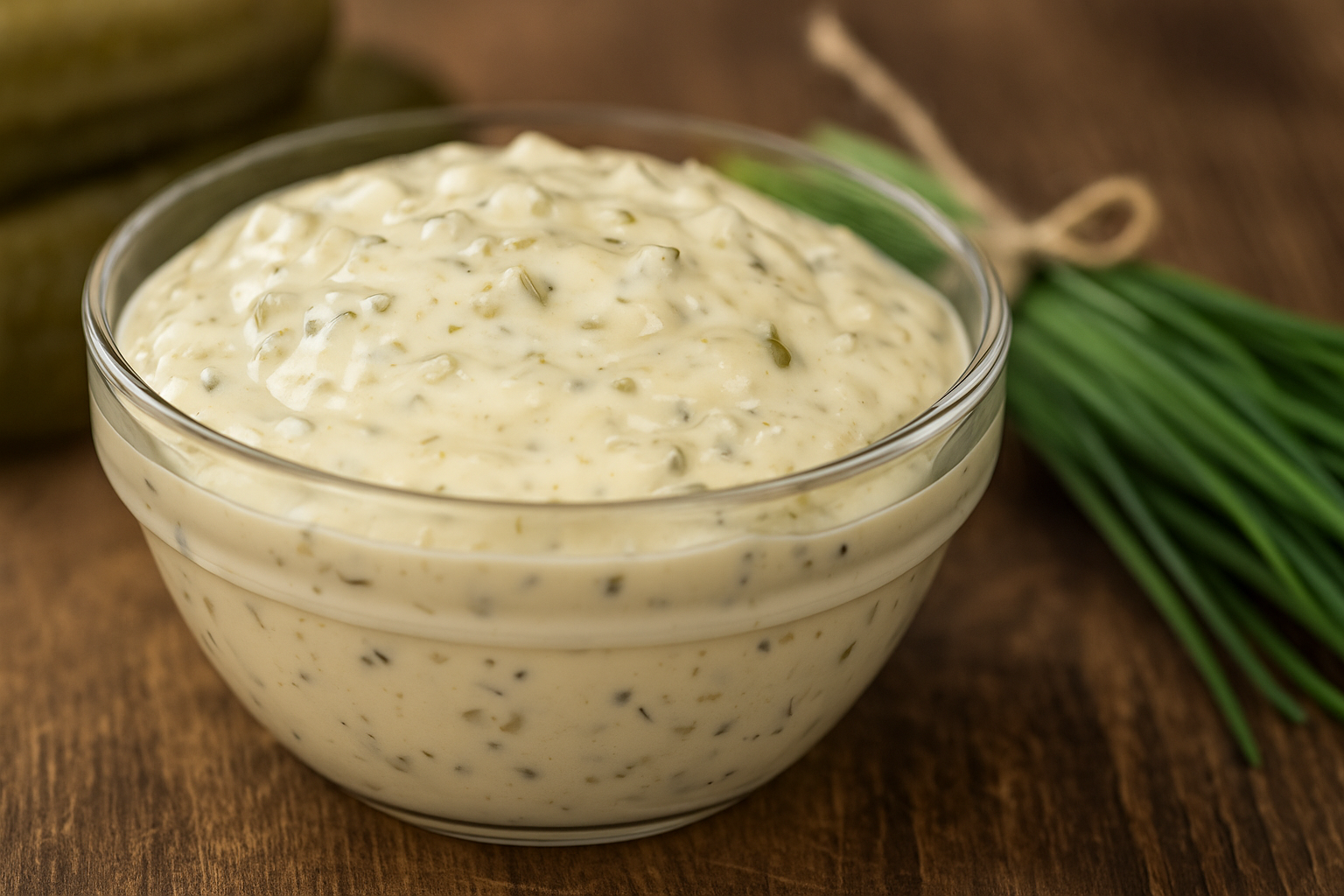
Remoulade – A French Classic That Conquered Europe
Some sauces transcend their humble beginnings to become culinary legends. One such sauce is Remoulade – a refined, mildly spicy mayonnaise-based classic that was born in France and has captivated food lovers around the world ever since. Today, it exists in countless variations – French, Danish, and even Creole from Louisiana – and its creamy base with a mustard-herb aroma makes it one of the most universal condiments ever created.
French Origins of Remoulade Sauce
The history of Remoulade dates back to the 18th century, when French chefs began experimenting with mayonnaise, enriching it with capers, pickles, herbs, and anchovies. The word rémoulade likely comes from the Picard dialect word remolat, meaning horseradish – an early ingredient in the original version of the sauce.
One of the first and most famous dishes to feature this sauce was céleri rémoulade – a celery root salad tossed in a creamy, tangy dressing. Over time, the sauce spread across Western Europe, becoming a staple in Belgium, Germany, and Denmark, where it’s now a beloved companion for fish, fries, and meats.
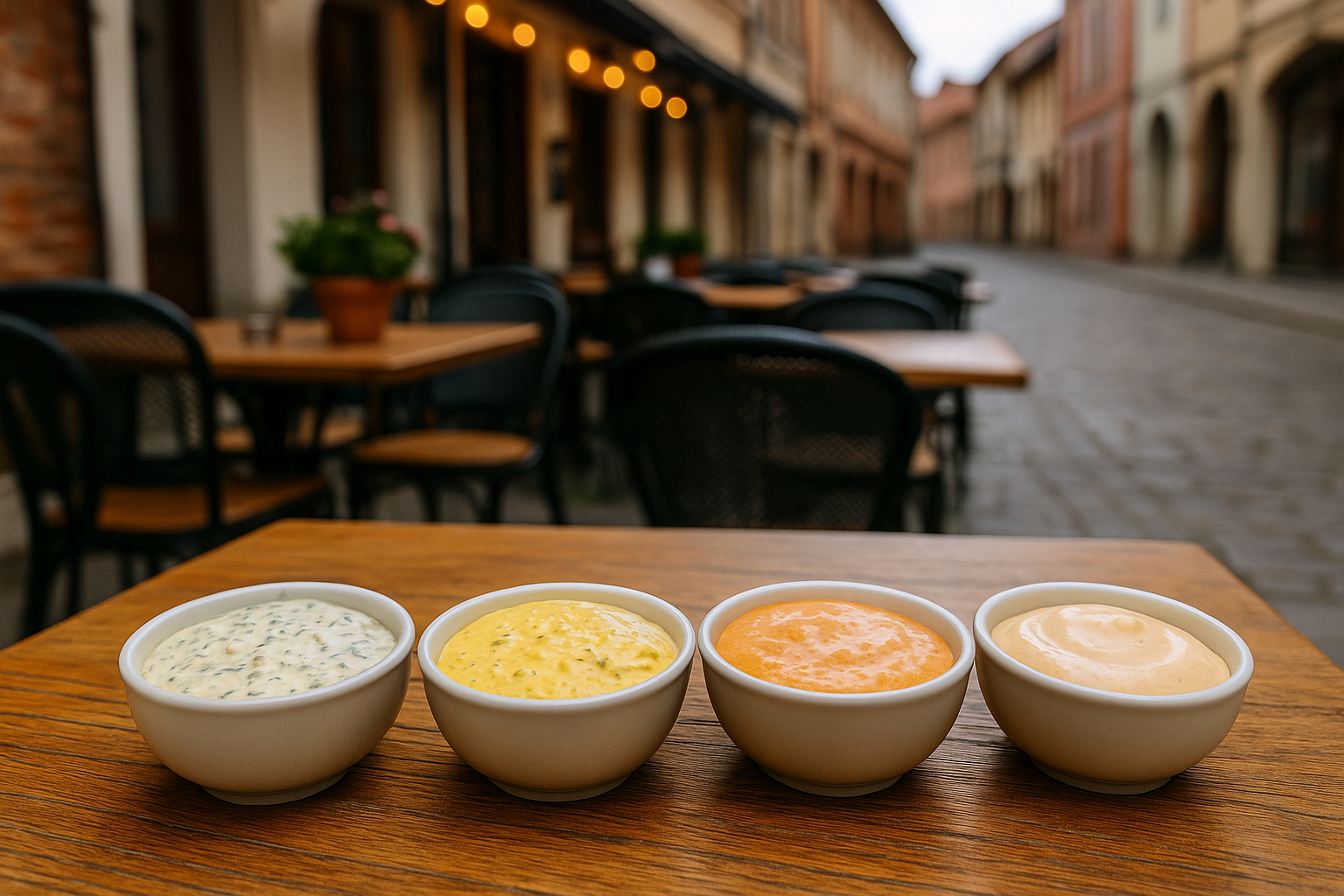
From Paris to Copenhagen, Kaunas, and New Orleans – Global Variations of Remoulade
Each country gave Remoulade its own identity, enriching the French foundation with local flavors and culinary traditions.
French Remoulade is the original version, made from mayonnaise, Dijon mustard, capers, finely chopped pickles, and fresh herbs such as parsley, tarragon, and chives. It’s known for its elegant, balanced flavor and subtle spiciness.
Danish Remoulade is milder and has a pale yellow hue thanks to turmeric. It includes finely chopped vegetables, pickles, and creamy mayonnaise. In Denmark, it’s a must-have condiment for hot dogs, roast beef sandwiches, and fries.
Louisiana Remoulade (USA) comes from New Orleans, blending French finesse with Creole passion. It’s tangy, spicy, and bold – made with mustard, celery, paprika, lemon juice, and hot sauce. It’s most famously used in shrimp remoulade, a beloved Southern dish.
Lithuanian Remoulade from Kaunas draws inspiration from French culinary traditions while embracing the simplicity and authenticity of Baltic cuisine. This version is based on creamy mayonnaise made with high-quality rapeseed oil, egg yolks, and mustard. Produced by VEIVERIŲ SKONIS, Mayo Lithuanian Remoulade offers a velvety texture and mildly tangy flavor that fits perfectly in both modern and traditional dishes – combining French elegance with Lithuanian naturalness.
The Flavor of Classic Remoulade
Remoulade is a rich, creamy mayonnaise-based sauce infused with the tangy notes of capers, pickles, herbs, and mustard. Its taste strikes a delicate balance between the sweetness of mayonnaise and the acidity of vinegar and lemon. Unlike many other sauces, it has texture – small bits of vegetables and herbs add character and depth to every bite.
How to Use Remoulade Sauce
Remoulade is the definition of versatility in the kitchen. Its creamy texture and lively flavor can elevate countless dishes.
✅ It pairs wonderfully with fish and seafood, such as fried cod, salmon, shrimp, or crab.
✅ It also complements meat dishes, especially tender chicken and roasted beef.
✅ It’s perfect for fries, hot dogs, and burgers, adding a lightly tangy finish.
✅ Use it as a dip for fresh vegetables or as a base for flavorful salads.
✅ It’s excellent as a spread for sandwiches and baguettes, adding creaminess and depth of flavor.
In Denmark and Germany, Remoulade is a beloved fast-food staple, served with fries and crisp sausages. In France, it remains a refined companion to cold appetizers such as celery root salad or hard-boiled eggs.
Homemade French-Style Remoulade
Want to recreate the charm of a Parisian brasserie? Here’s a simple recipe inspired by the classic French version.
Ingredients:
-
1 cup mayonnaise (preferably Remoulade-style)
-
1 tbsp Dijon mustard
-
1 tbsp capers
-
2 tbsp finely chopped pickles
-
1 tbsp fresh parsley and tarragon
-
a few drops of lemon juice
-
a pinch of black pepper
Preparation:
Mix all ingredients together and refrigerate for at least one hour to let the flavors blend. Serve with fish, roast beef sandwiches, or poached eggs.
Since We’re Praising Remoulade So Much, Let’s Cook With It!
Remoulade isn’t just an elegant finishing touch – it’s an ingredient that can completely transform a dish. Try this simple yet impressive recipe for pan-seared salmon with Remoulade sauce – a meal that tastes straight out of a French restaurant.
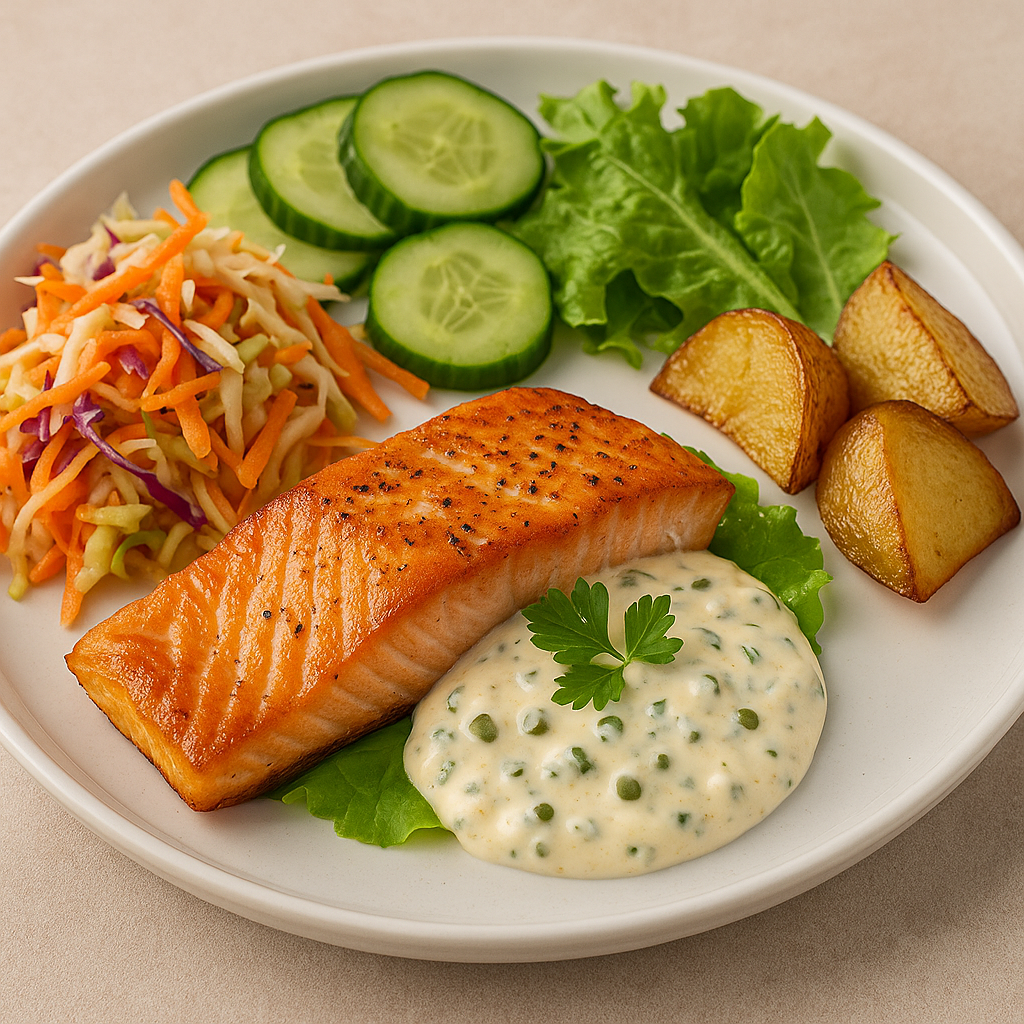
Pan-Seared Salmon with Remoulade – A Modern Classic
Ingredients (2 servings):
-
2 salmon fillets (about 150–200 g each)
-
salt and freshly ground black pepper
-
juice of ½ lemon
-
1 tbsp olive oil
-
3 tbsp Mayo Lithuanian Remoulade
-
1 tsp capers
-
a few sprigs of fresh parsley
-
optional: a few drops of hot sauce or Dijon mustard
Preparation:
-
Drizzle salmon fillets with lemon juice, season with salt and pepper, and let sit for 10 minutes.
-
Heat olive oil in a pan and cook the fish for about 3–4 minutes per side, until golden on the outside and tender inside.
-
In the meantime, mix Mayo Lithuanian Remoulade with capers, chopped parsley, and, if desired, a touch of hot sauce or mustard.
-
Serve the salmon with a spoonful of the sauce and a side of fresh salad or roasted potatoes.
The result? A light, aromatic dish where the delicate flavor of salmon meets the creamy tang of Remoulade. It’s proof that great cooking doesn’t have to be complicated – just flavorful and balanced.
Remoulade – From French Tables to Your Kitchen
Remoulade is more than just a sauce – it’s a culinary heritage that unites tradition, elegance, and flavor. Although its roots trace back to 18th-century France, today it graces tables across Europe – including in Poland and Lithuania.
By choosing Mayo Lithuaninan Remoulade from ostrystefek.pl, you’re bringing a piece of that history into your own kitchen – a perfectly balanced blend of herbs, mustard, and delicate mayonnaise that no food lover can resist.
Whether you pair it with crispy salmon, a roast beef sandwich, or your favorite salad, Remoulade will always add depth, smoothness, and a touch of French sophistication to your meal.


![616x948_Eros_Pista_2600g_616x948px_202210_gasztro[1].png](/environment/cache/images/productGfx_570_500_500/616x948_Eros_Pista_2600g_616x948px_202210_gasztro1.webp "616x948_Eros_Pista_2600g_616x948px_202210_gasztro[1].png")


