


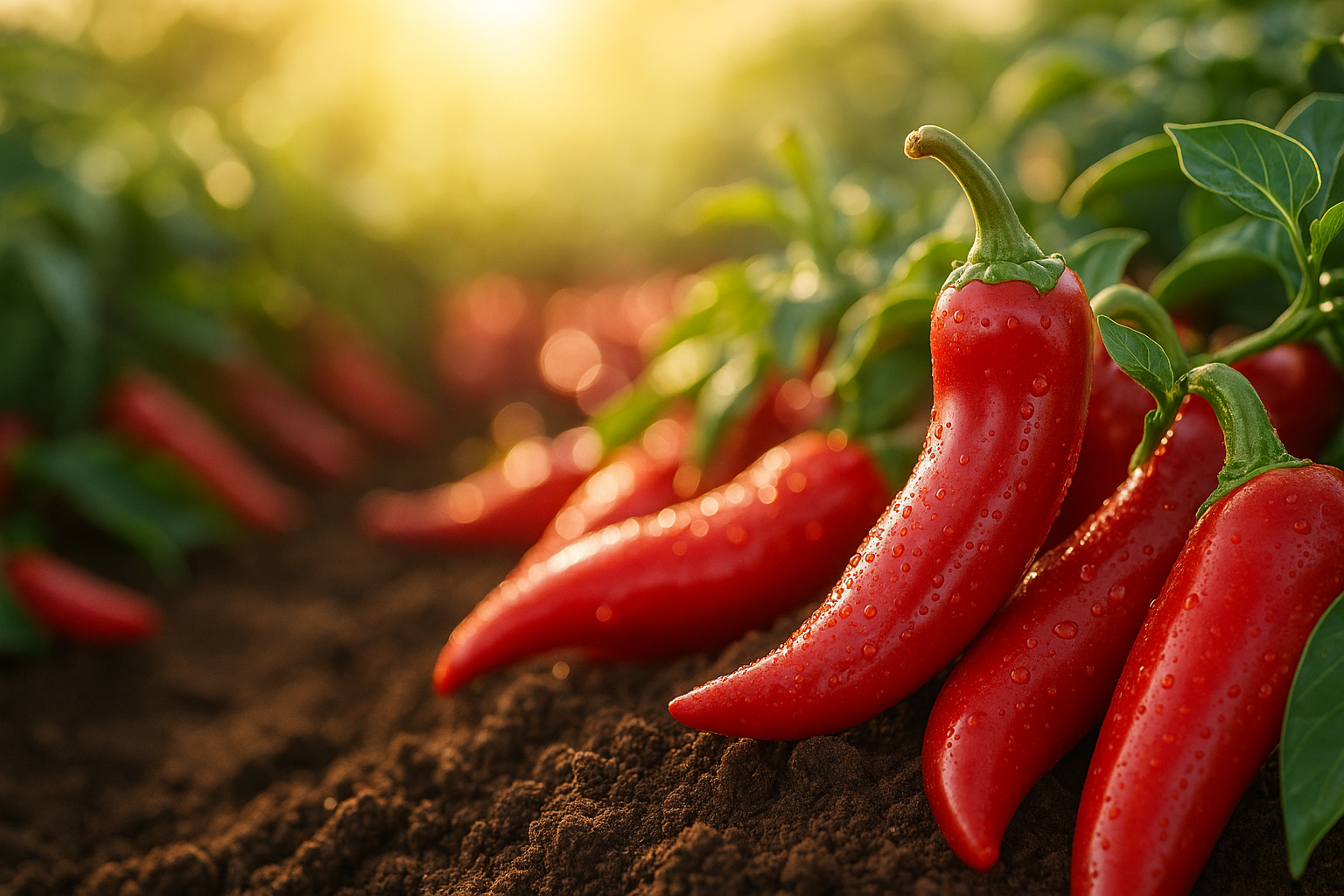
Hungarian Paprika – History, Varieties, and Culinary Secrets
Hungarian paprika is not just a spice – it’s a cultural symbol and a cornerstone of Central European cuisine. Surprisingly, it wasn’t always used in cooking. When it first appeared in Hungary in the 16th century, it was primarily an ornamental plant, decorating the gardens of aristocratic estates.
Historians believe paprika arrived in Hungary from the East, likely brought by the Turks. Early Hungarian names like "Turkish pepper" or "Tatar pepper" reflect this origin. Others suggest the plant came from Portugal after Ottoman expansion blocked the trade routes for black pepper, prompting Europe to find alternative spices.
📈 Paprika’s Rise in Hungarian Cuisine
By the late 18th century, paprika became increasingly popular in Hungarian kitchens. Its affordability, ease of use, and bold flavor helped it gain favor among both commoners and nobility. It was first mentioned in cookbooks during this time.
By the 19th century, its potential health benefits were also being explored – especially as a warming and anti-inflammatory remedy.
Today, Hungarian ground paprika is one of the country’s most famous exports, used worldwide to season and color dishes with its signature taste and vibrant red hue.
🌿 What Makes Hungarian Paprika Special?
– ✅ Belongs to the nightshade family (like tomatoes and potatoes)
– ✅ Its Latin name Capsicum annuum comes from capsis, meaning “to sting” or “to burn”
– ✅ Contains capsaicin, which gives it heat and has anti-inflammatory effects
– ✅ Packed with vitamin C, especially in fresh red varieties
– ✅ Used in everything from goulash and stews to spice blends, pastes, and oils
🍲 Traditional Uses in the Kitchen
Hungarian paprika is essential in many classic dishes:
-
Beef and pork goulash
-
Chicken paprikash (csirkepaprikás)
-
Lecsó (paprika stew with sausage)
-
Halászlé (fish soup)
It’s also the base of popular pantry staples like:
-
Piros Arany – a mildly spicy red pepper paste
-
Erős Pista – a hotter version used as a table condiment
-
Édes Anna – a milder, sweeter paprika paste
-
Paprika seed oil – a modern healthy twist with antioxidant power
🏭 How It’s Made – Paprika Production in Hungary
Hungary's southern climate is perfect for growing top-quality paprika. The most famous paprika-producing regions are Szeged and Kalocsa.
– ✅ Harvested in September
– ✅ Dried and ground depending on desired heat level
– ✅ Processed into sweet, semi-hot, or hot varieties
🌈 Main Types of Hungarian Paprika
Hungarian paprika comes in 8 recognized types:
-
Csemege – sweet and aromatic (also in semi-hot and hot forms)
-
Édesnemes – globally popular, mild with a sharp aroma
-
Félédes – mildly spicy
-
Rózsa – light brownish in color, ideal for coloring dishes
-
Erős – the hottest, for spice lovers
❓ Frequently Asked Questions
How long does Hungarian paprika last?
Usually 6–12 months if stored in a cool, dark, dry place. Over time, its aroma and heat may fade.
Can I make my own paprika powder?
Yes! Dry thin-walled red peppers in a dry, low-humidity environment, then grind them into powder.
What is Hungarian paprika used for?
Paprika seasons and colors food, enhances sausages and salami, and acts as a garnish. It’s also used to make spicy condiments and infused oils.
What’s the best Hungarian paprika?
The finest come from Szeged and Kalocsa. Look for premium products like Kalocsa’s Gold or first-class Szeged paprika.
Why is it so unique?
Unlike Spanish smoked paprika, Hungarian paprika is not smoked and tends to be sweeter and milder than chili powder. Its distinct flavor and health benefits make it ideal for those who prefer bold yet balanced seasonings.
💬 Ready to add authentic Hungarian flavor to your kitchen? Shop original sweet, hot, or smoked Hungarian paprika and classic pepper pastes now at ostrystefek.pl – a true taste of tradition! 🌶✨


![616x948_Eros_Pista_2600g_616x948px_202210_gasztro[1].png](/environment/cache/images/productGfx_570_500_500/616x948_Eros_Pista_2600g_616x948px_202210_gasztro1.webp "616x948_Eros_Pista_2600g_616x948px_202210_gasztro[1].png")


