


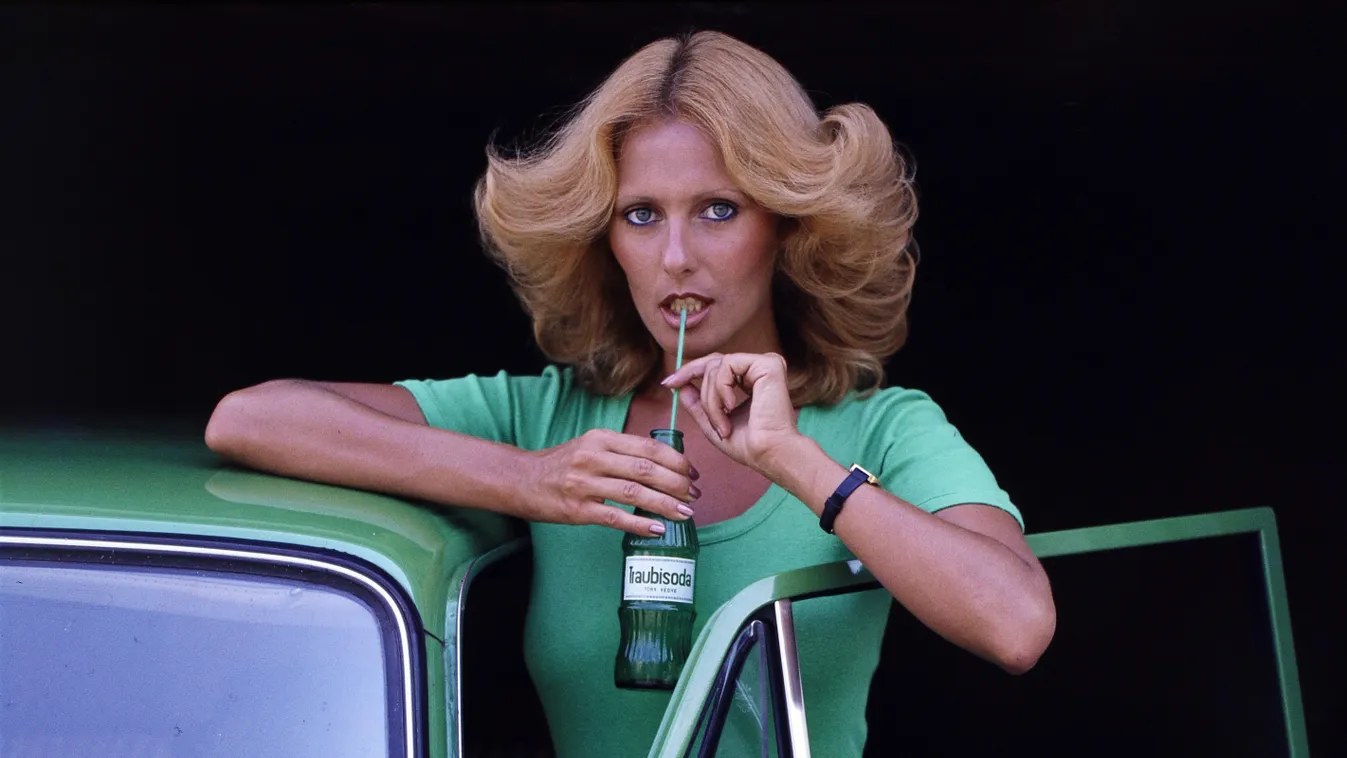
This Was Traubisoda – The Story of Hungary’s “Socialist Cola”
Unlike many other brands that were popular during the communist era of the 1970s and 1980s, Traubisoda never disappeared from store shelves, even decades after the political transformation. In fact, for a time, it was available in two different versions.
However, this wasn’t a result of abundance, but rather because two different companies claimed the right to produce the same drink, leading to a legal battle that lasted over twenty years.
Although the lawsuits eventually concluded and licensing rights were clarified, the company that emerged victorious from the long legal war was recently liquidated. Thus, the half-century-long story of the fizzy drink once known as the “socialist cola” seemed to come to an end. Let’s take a closer look at the nearly 50-year history of Traubisoda.
A Brand Full of Surprising Twists
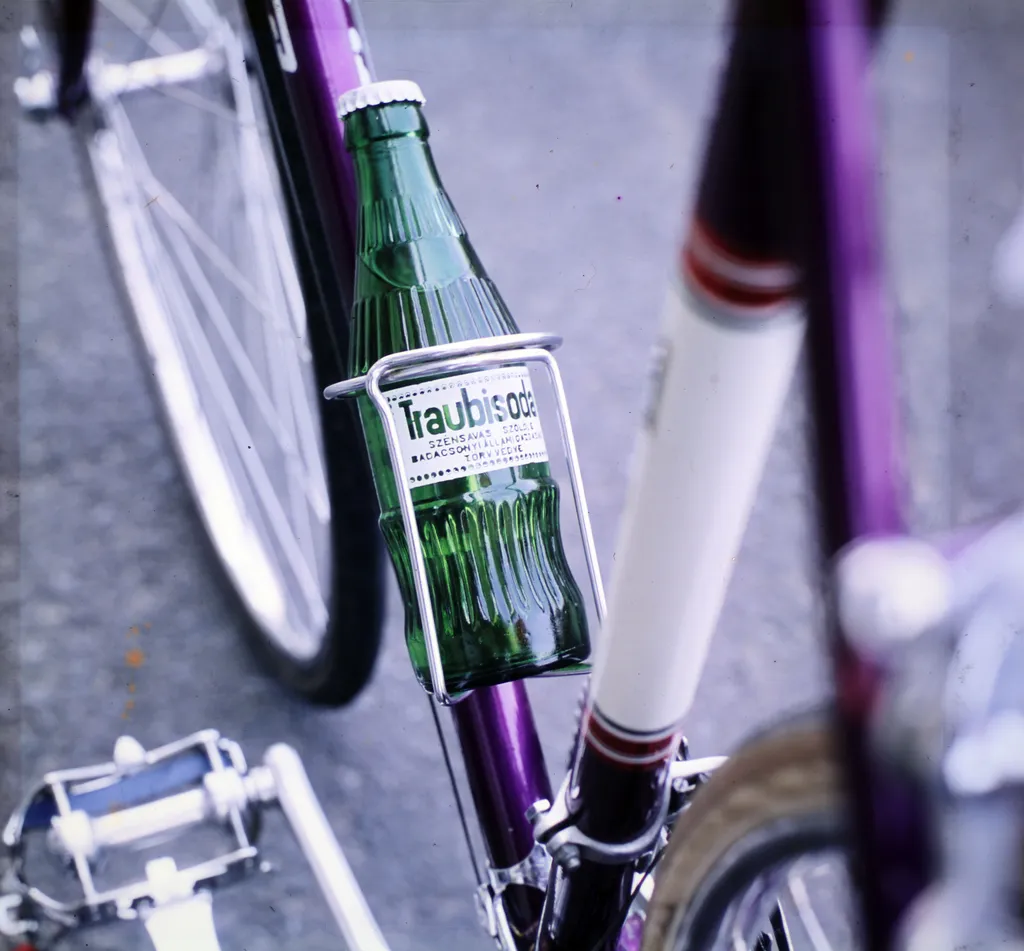
The history of Traubisoda is rich with unexpected turns. Fifty years ago, in 1971, the State Farm of Badacsony began producing Traubisoda at its factory in Balatonvilágos.
“A Traubisoda – a természet ajándéka!” – “Traubisoda – the gift of nature!” proclaimed the famous slogan of the era.
The original trademark owner of Traubisoda was the Austrian wine company Lenz Moser, which held rights to the name in Hungary and several other countries. The name derives from the German word Traube, meaning grape.
Hungary Paid for the Austrian License in Wine
As the newspaper Csongrád County News reported at the time:
“On Tuesday, at the Duna Intercontinental Hotel in Budapest, the State Farm of Badacsony and the Austrian Moser company presented a new soft drink called Traubisoda.
The beverage is made from table grape juice, sugar, citric acid, and carbonated water — without any chemical preservatives. It’s pasteurized for long shelf life. Production begins this week in the new Balatonaliga factory equipped with Italian, Dutch, and Hungarian machines, under the Austrian Moser license.”
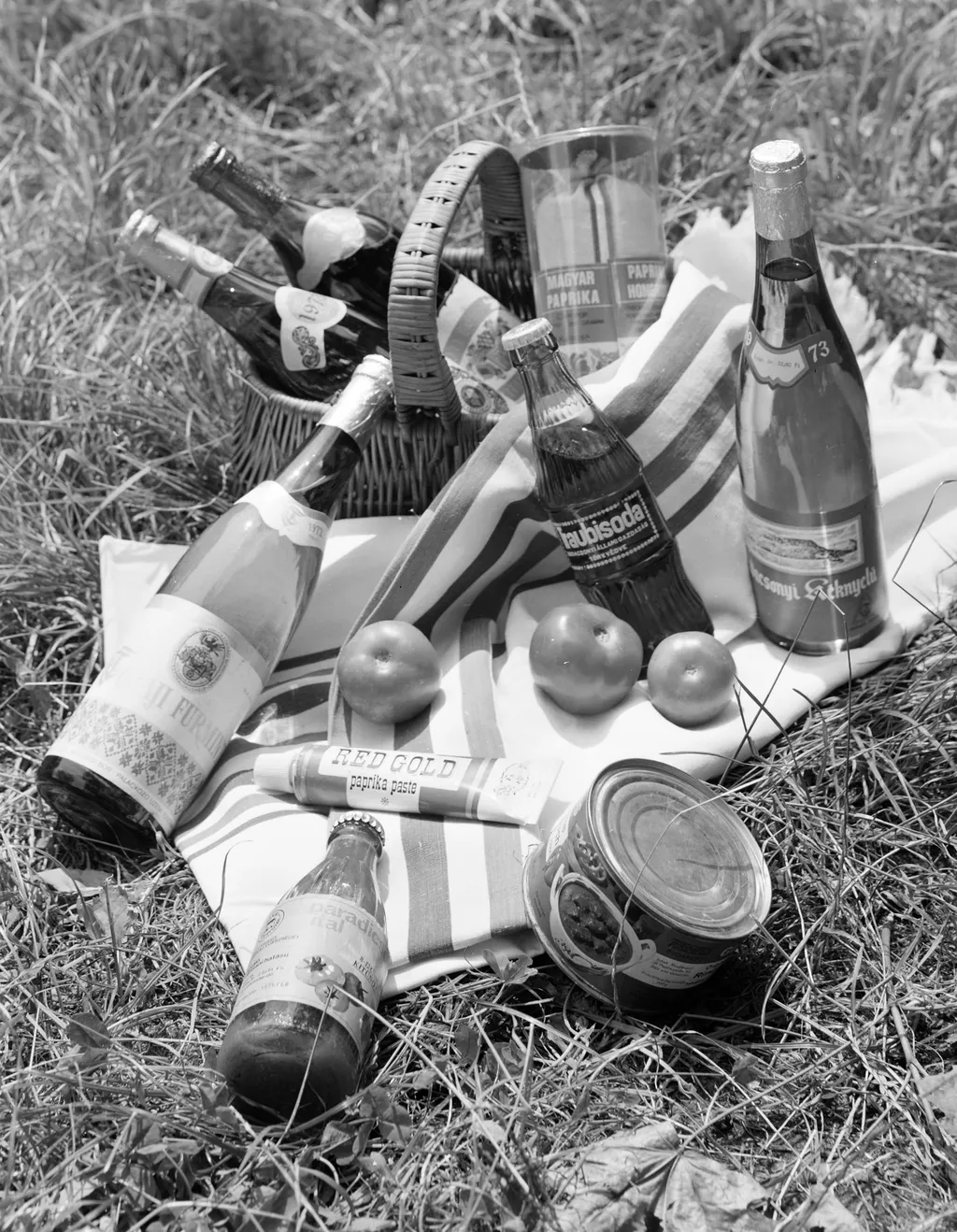
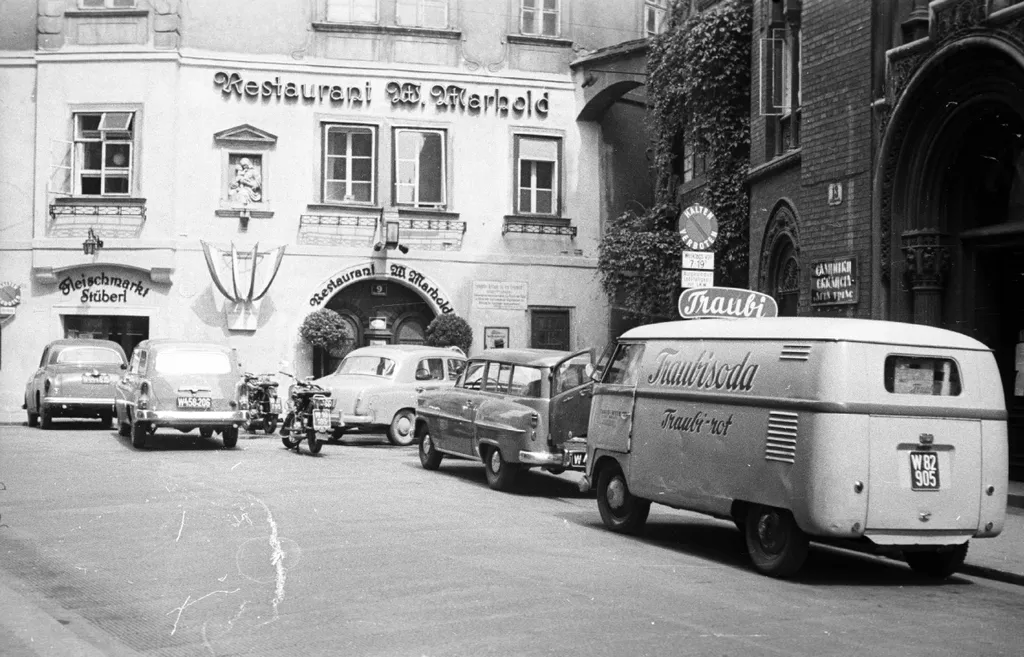
According to the contract, Hungary paid for the license in wine — a total of 50,000 hectoliters during the first ten years, which the Austrians resold in 62 countries along with their own beverages. The cooperation proved highly profitable, and Traubisoda’s sales skyrocketed.
In its debut year — when the average monthly salary was 2,300 forints and a bottle cost 3 forints — 1.6 million bottles were produced. Within a decade, that number had grown nearly a hundredfold.
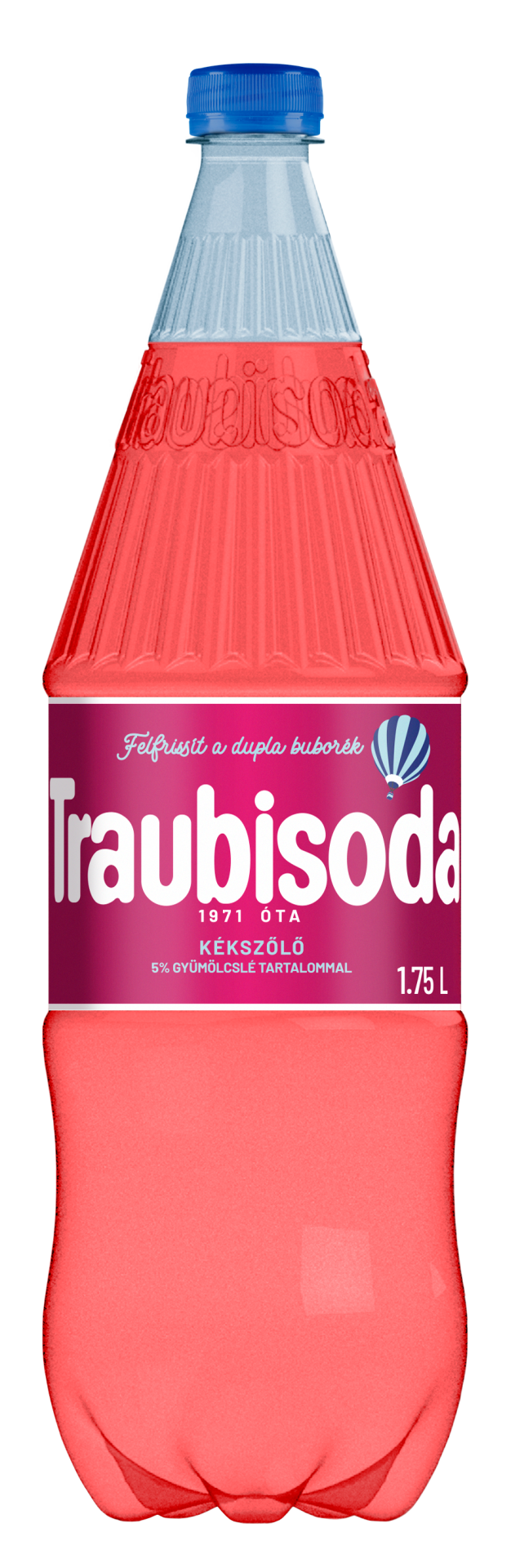
Soon, new versions appeared — including one made from blue grapes, half-liter bottles, and even folk-inspired creations such as the gin-traubi long drink and the Traubi vitamin cocktail with egg yolk.
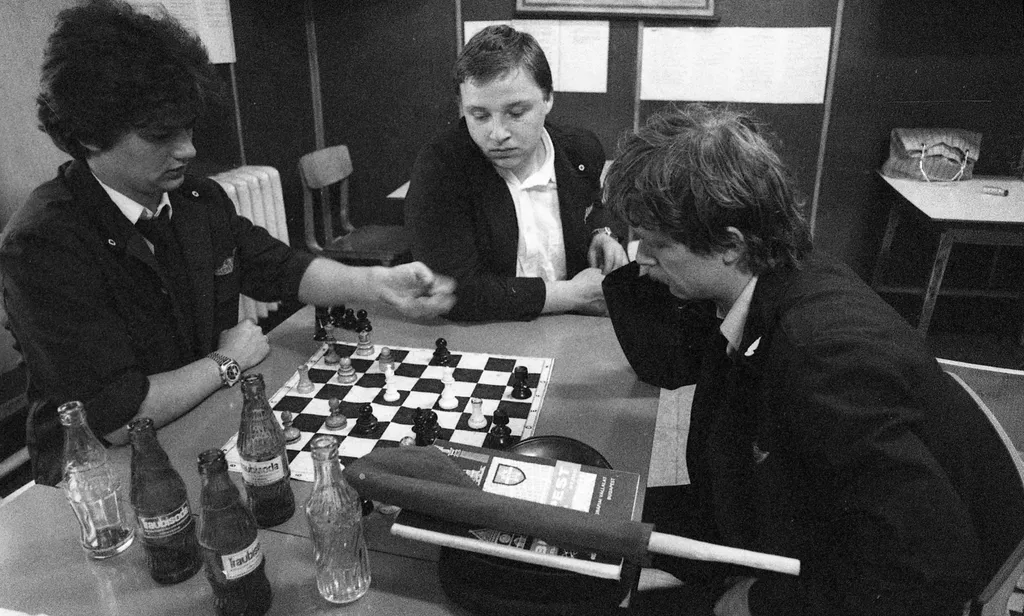
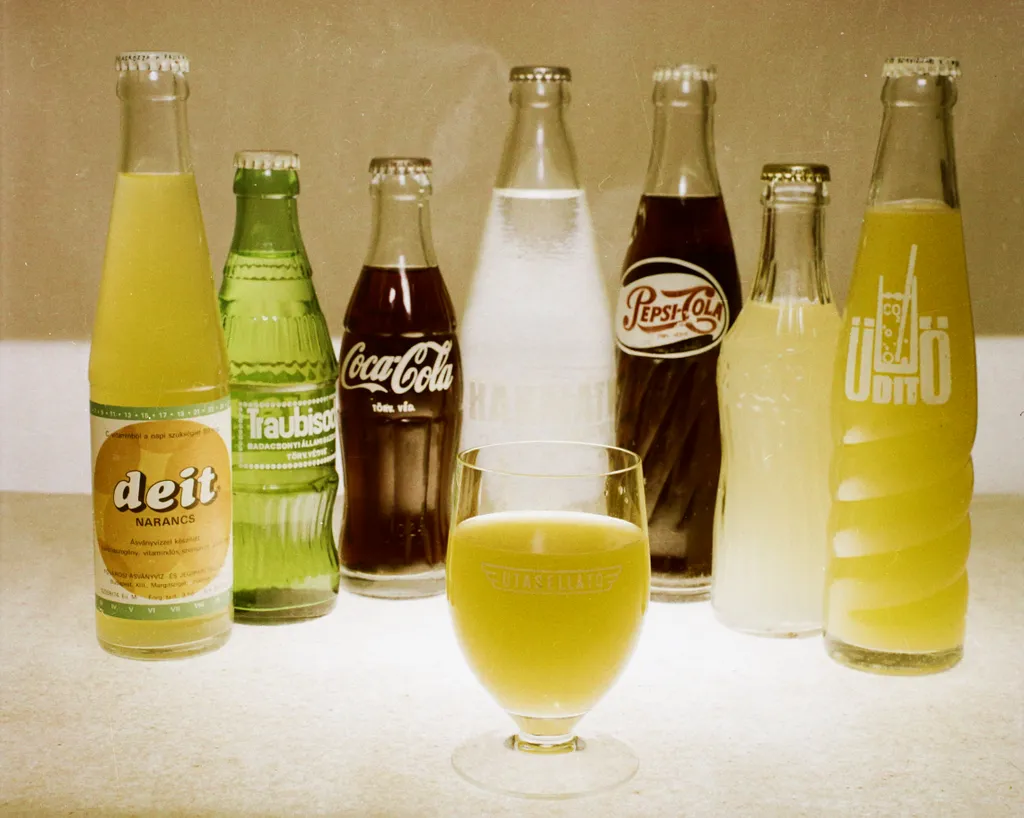
During the 1970s and 1980s, Traubisoda became immensely popular. Other state farms — Csány, Kunbaja, and Debrecen — joined in production.
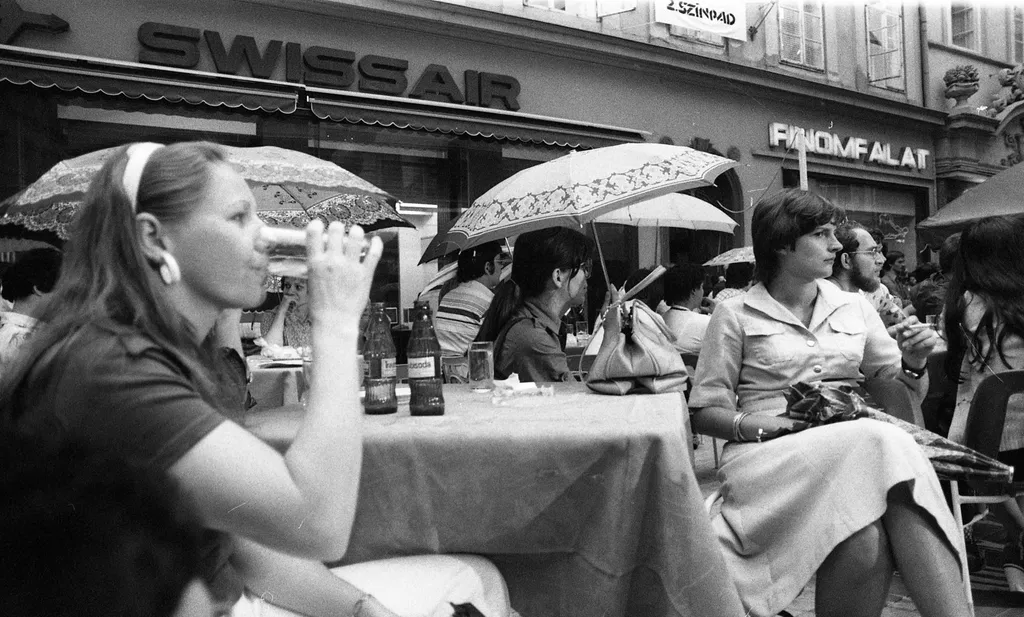
In 1981, on the brand’s 10th anniversary, Magyar Hírlap wrote:
“If we recall the state of the soft drink market ten years ago, it was quite miserable by today’s standards. Domestic production had moved beyond the ‘Bambi’ era and turned toward natural fruit juices like cherry, quince, or pear, but supply was irregular and distribution poor. Traubisoda brought a breath of freshness and modernity.”
The Fall of Lenz Moser and a New Austrian Partner
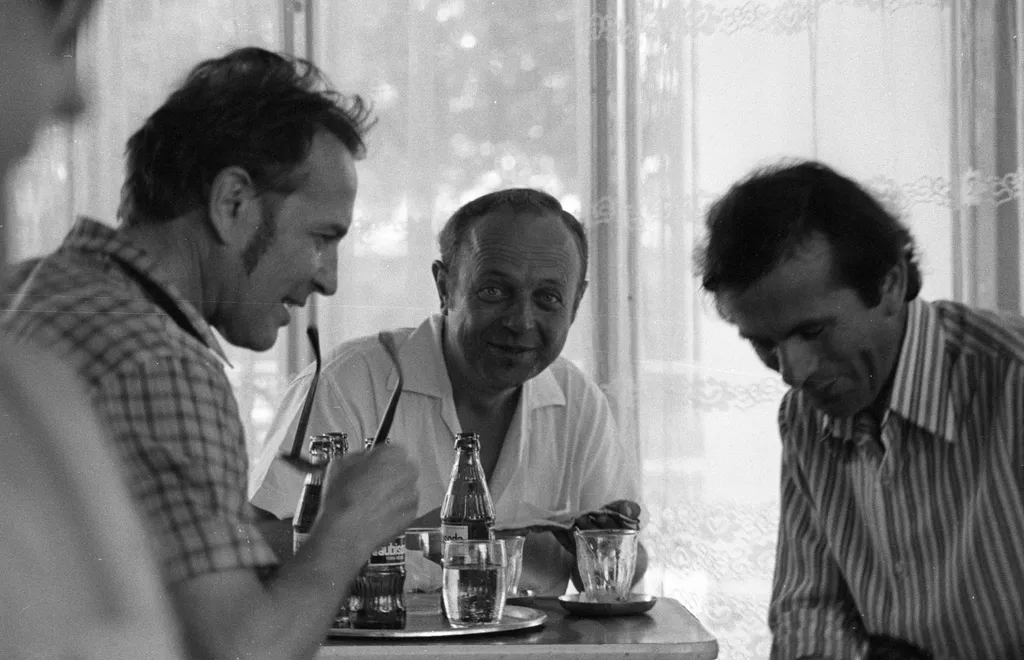
The first major turning point came when Lenz Moser went bankrupt, and in 1986, the Hungarians signed a new licensing agreement with another Austrian company — Warimpex AG.
This shift would later spark a long and bitter trademark war.
The Post-Communist Decline
After the political transition of 1989, problems deepened. With the arrival of a free market and rising competition, demand for Traubisoda declined sharply.
The Balatonvilágos plant, like many state-owned companies, began losing money. Liquidation followed, then privatization.
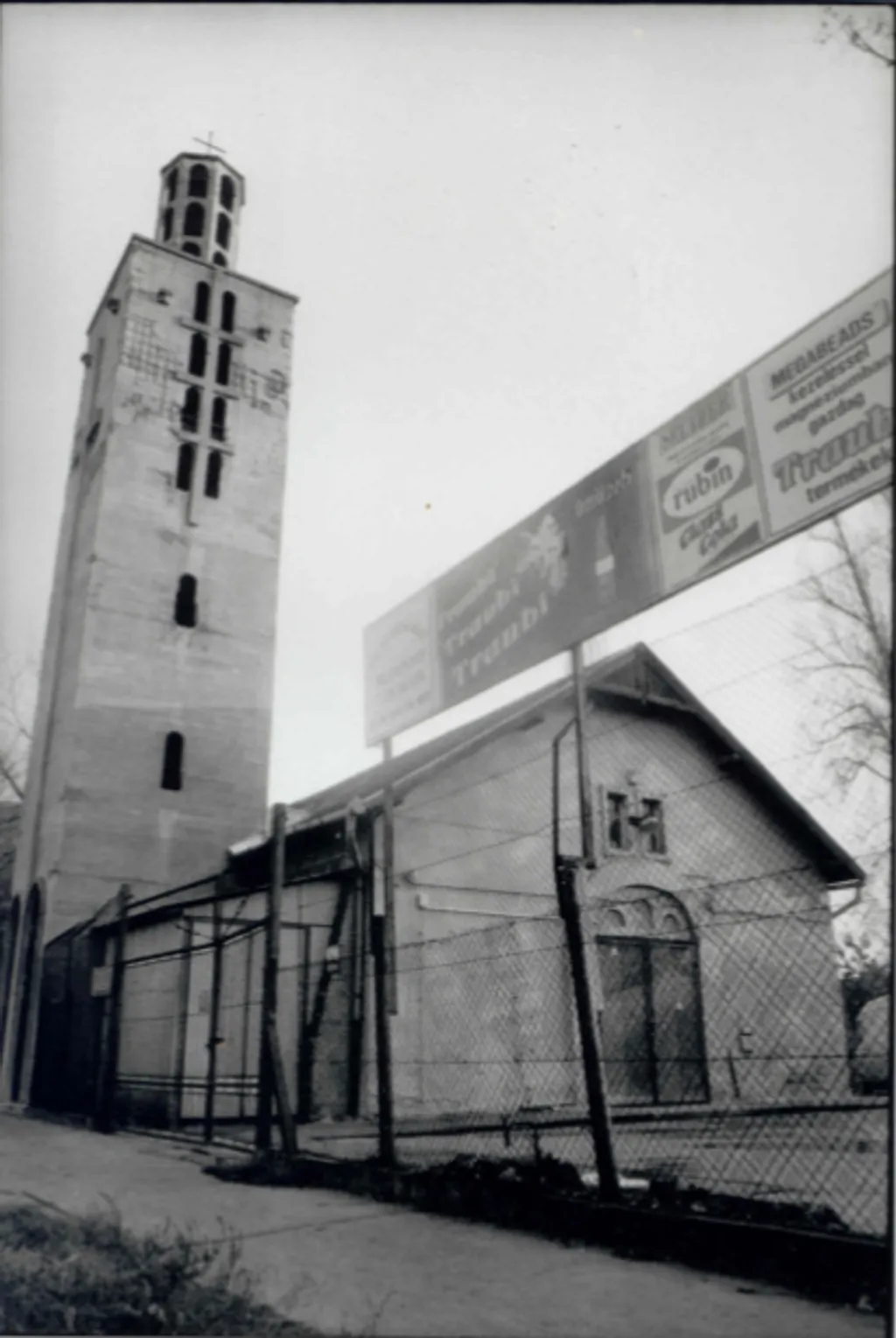
Between 1992 and 1993, the Hungarian State Property Agency privatized the Badacsony State Farm. The plant, along with its licensing rights, was purchased in 1993 by Salamon Berkowitz, a Hungarian-American businessman, who relocated his company Centrál Kft. from the United States to Debrecen.
In 1995, Berkowitz sold the factory and the trademark to Traubi Hungária Rt., another of his companies, and production resumed.
Two Traubis, One Name – The Trademark Battle Begins
That same year, another company – Ráthonyi Kft. of Debrecen – also began producing Traubi. They purchased the production rights from Warimpex AG, which had acquired them after Lenz Moser’s bankruptcy.
For a time, Hungarian consumers could find two nearly identical drinks — Traubisoda and Traubi — both claiming authenticity.
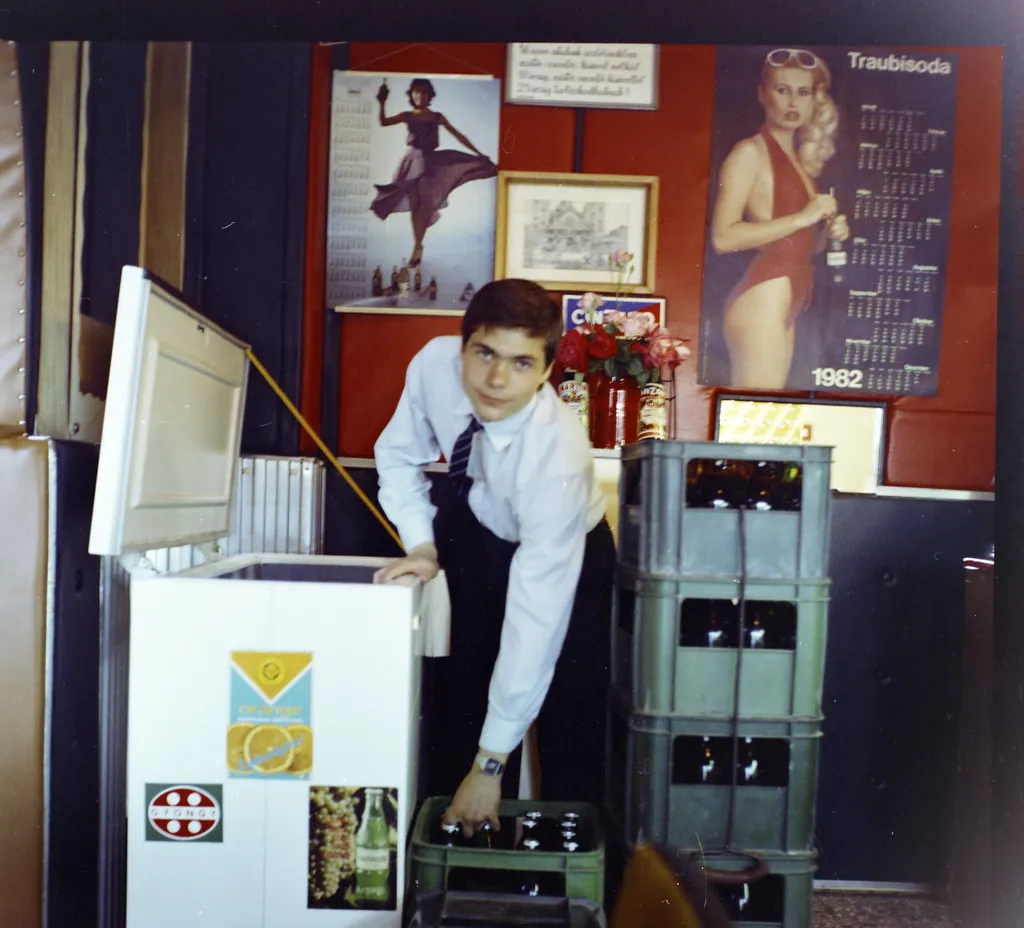
A fierce legal battle followed, lasting nearly two decades.
A Twenty-Year Legal War
The first ruling came in February 2000, when the Hungarian Supreme Court determined that Traubi Hungária Rt., owned by Berkowitz, was not permitted to use the word “Traubi” in its name, and that the company had committed trademark infringement by producing drinks under that name.
As a result, in 2005, Berkowitz’s company was renamed Tra-Üdi Traditional Soft Drink Co. (Tra-Üdi Tradicionális Üdítőital-gyártó Rt.).
In 2009, the company requested to restore its former name. The Budapest Court of Appeal temporarily sided with Berkowitz, recognizing his firm as the rightful trademark holder and allowing it to operate as Traubi Hungária Traditional Soft Drink Co.
However, in 2011, the Court of Appeal (Fővárosi Ítélőtábla) overturned that decision, ruling that Berkowitz’s companies had been producing drinks illegally since 1998 under the names Traubi, Traubisoda, and Tra-Üdi.
The court reaffirmed that the trademark owner since 1993 was the Austrian company Warimpex AG, and that the exclusive production rights belonged to the Hungarian company Ráthonyi Kft.
Criminal Charges and the End of Tra-Üdi
In February 2016, the Veszprém District Court found Salamon Berkowitz and his son Moses guilty of violating industrial property and trademark laws.
Salamon was fined 1.5 million forints, Moses 750,000, and their family company Tra-Üdi Zrt. was fined 15 million forints while in liquidation.
Ráthonyi’s Victory – and a Tragic Ending
After nearly 20 years of lawsuits, Ráthonyi Kft. emerged as the rightful owner of the Traubisoda trademark. Its rival was liquidated, and Ráthonyi was granted access to national and EU development funds — receiving 300 million forints for upgrading its bottling plant in Debrecen.
The company began supplying major retail chains including Metro, Spar, CBA, Auchan, Aldi, COOP, and later Lidl and Penny Market.
It seemed the legendary soda had finally regained its place — until fate took another turn.
In July 2018, the Debrecen Court declared Ráthonyi Kft. bankrupt after it failed to meet payment obligations to a business partner.
Its assets — the factory, equipment, and trademarks (Traubi, Traubisoda, Róna, and Csokonai) — were put up for sale for 1.1 billion forints.
According to Origo, the company’s equity had dropped from 1.3 billion to 468 million forints, its liabilities rose to 722 million, and its workforce had shrunk from 32 to just 7 employees.
The End of an Era… and a New Beginning
After five decades, the story of Traubisoda — a drink that survived socialism, privatization, and decades of courtroom battles — seemed over.
But this Hungarian grape soda wasn’t gone for good.
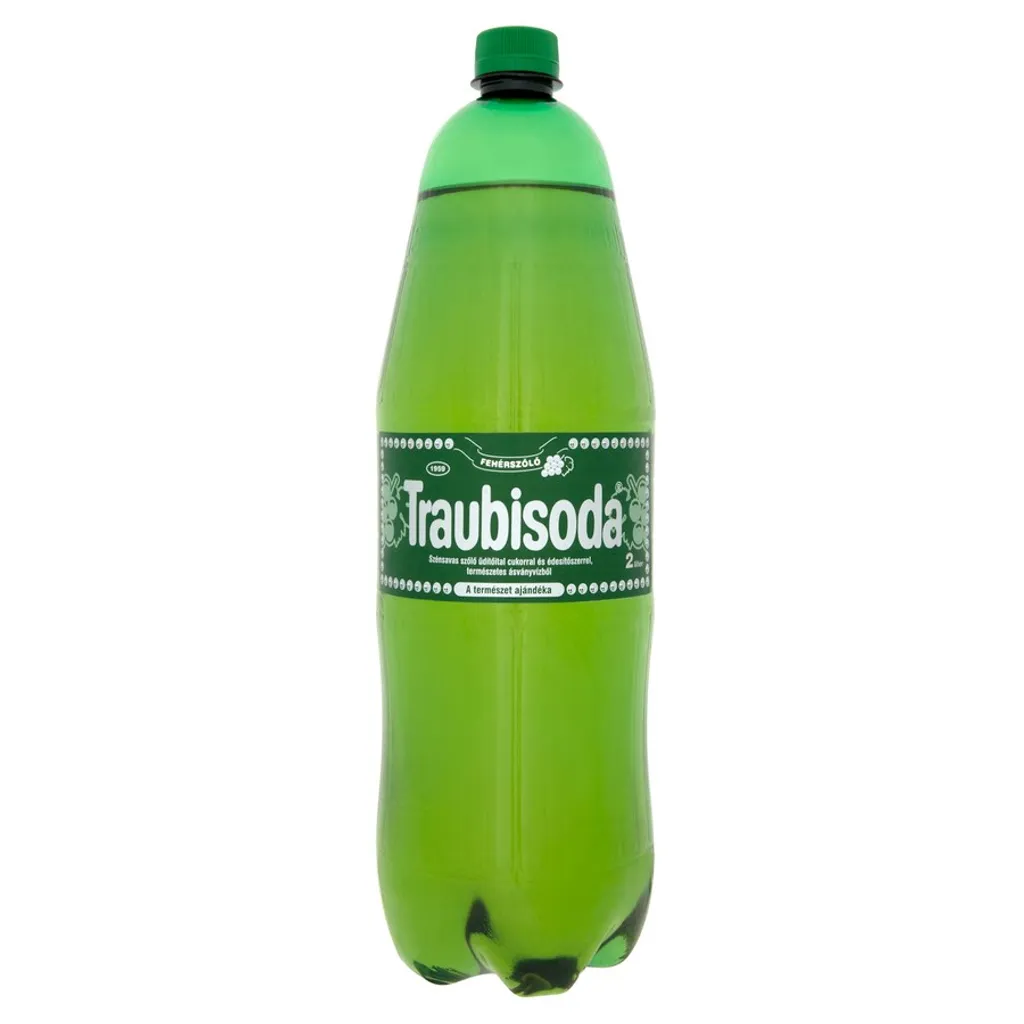
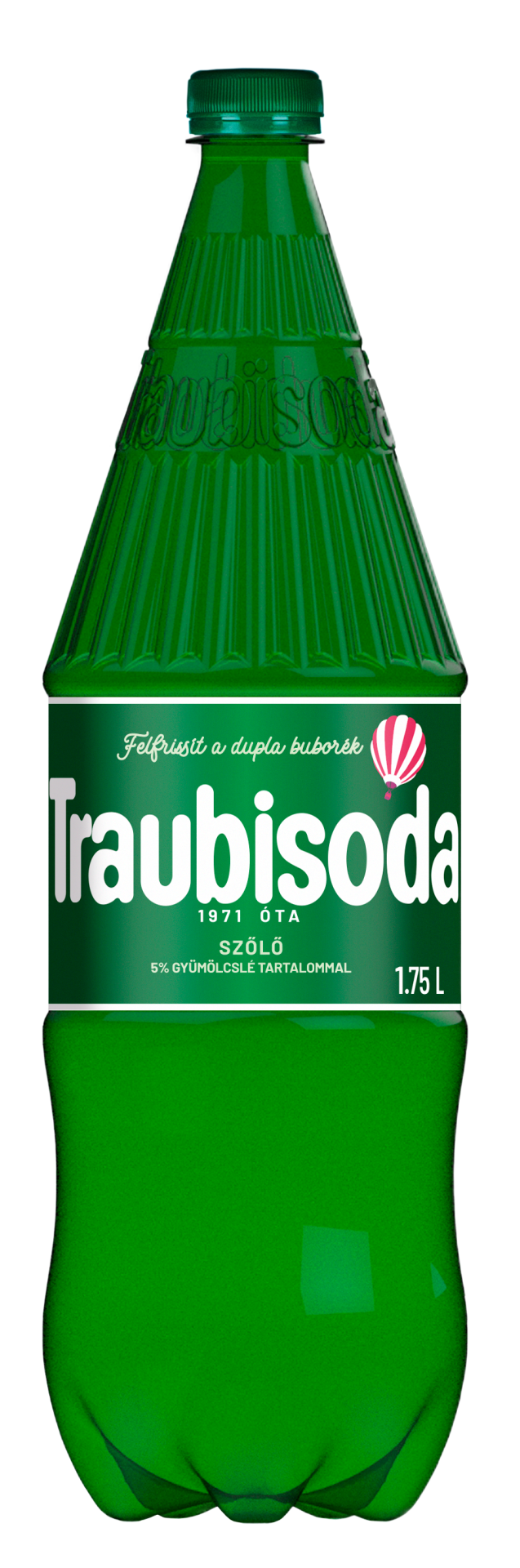
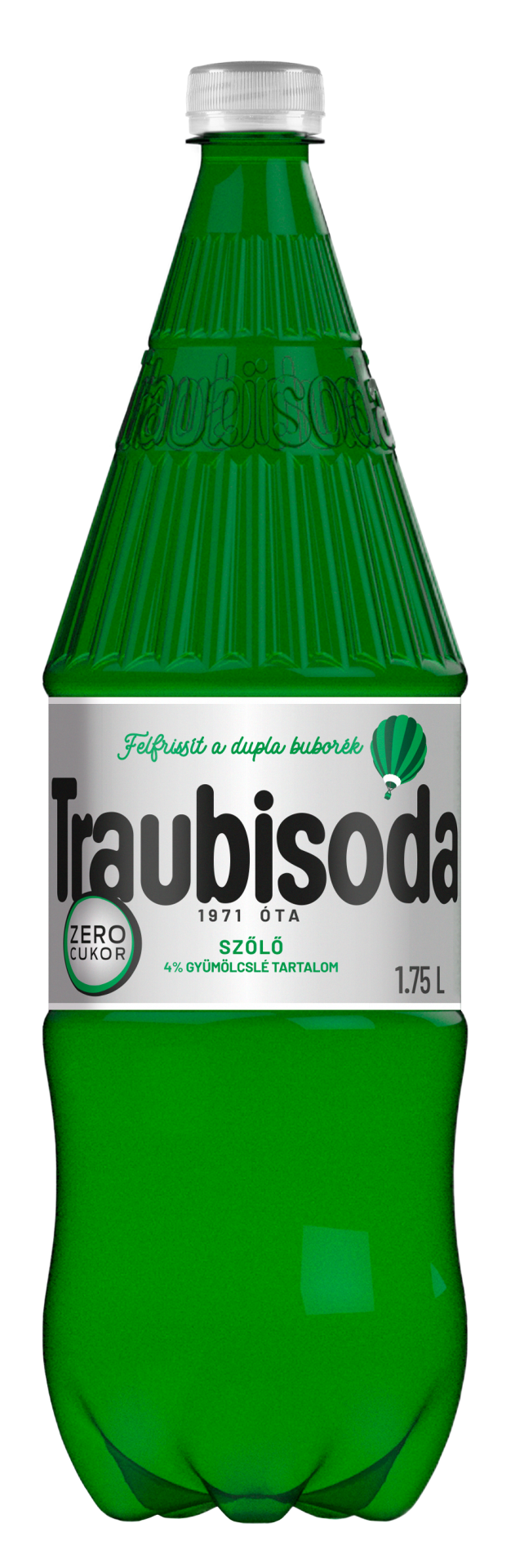
In recent years, the Hungarian beverage company Márka Üdítőital Zrt. has revived the original Traubisoda recipe, blending natural grape juice, sugar, and sparkling water — just as in 1971.
The new Traubisoda preserves the nostalgic taste remembered by generations of Hungarians while introducing modern production methods and refreshed branding.
Today, Traubisoda is once again winning the hearts of fans of retro flavors — both in Hungary and abroad.
Traubisoda in Poland – Rediscover the Original Hungarian Flavor
In Poland, Traubisoda is imported by Hungaricum Sp. z o.o., a company specializing in authentic Hungarian products.
The original Márka-made Traubisoda is available online at:
👉 OstryStefek.pl
👉 Hungaricum.pl
If you want to experience the authentic taste of Hungarian summer, try the legendary Traubisoda – a drink reborn after 50 years of history.
🥂 Sparkling, grape-sweet, and full of nostalgia – a taste that connects generations.


![616x948_Eros_Pista_2600g_616x948px_202210_gasztro[1].png](/environment/cache/images/productGfx_570_500_500/616x948_Eros_Pista_2600g_616x948px_202210_gasztro1.webp "616x948_Eros_Pista_2600g_616x948px_202210_gasztro[1].png")


